First Radiance: Xinglongwa & Hongshan
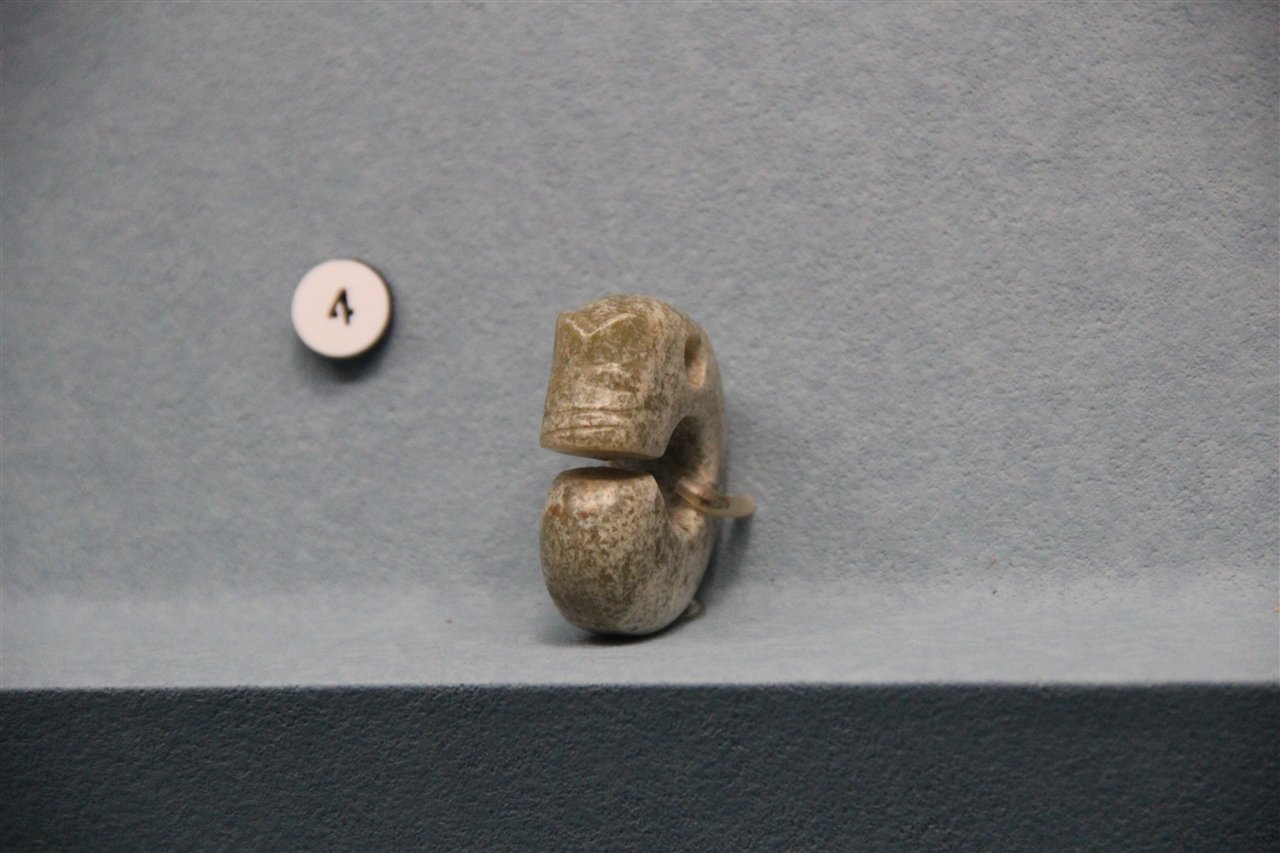
Jade slit-rings from Xinglongwa in Inner Mongolia carry China's jade record back eight thousand years. The C-shaped dragons and pig-dragons of the Hongshan culture — hailed as the "first dragons of China" — fixed jade's role as the medium between heaven and humankind.
Cong & Bi: Theocracy in Stone
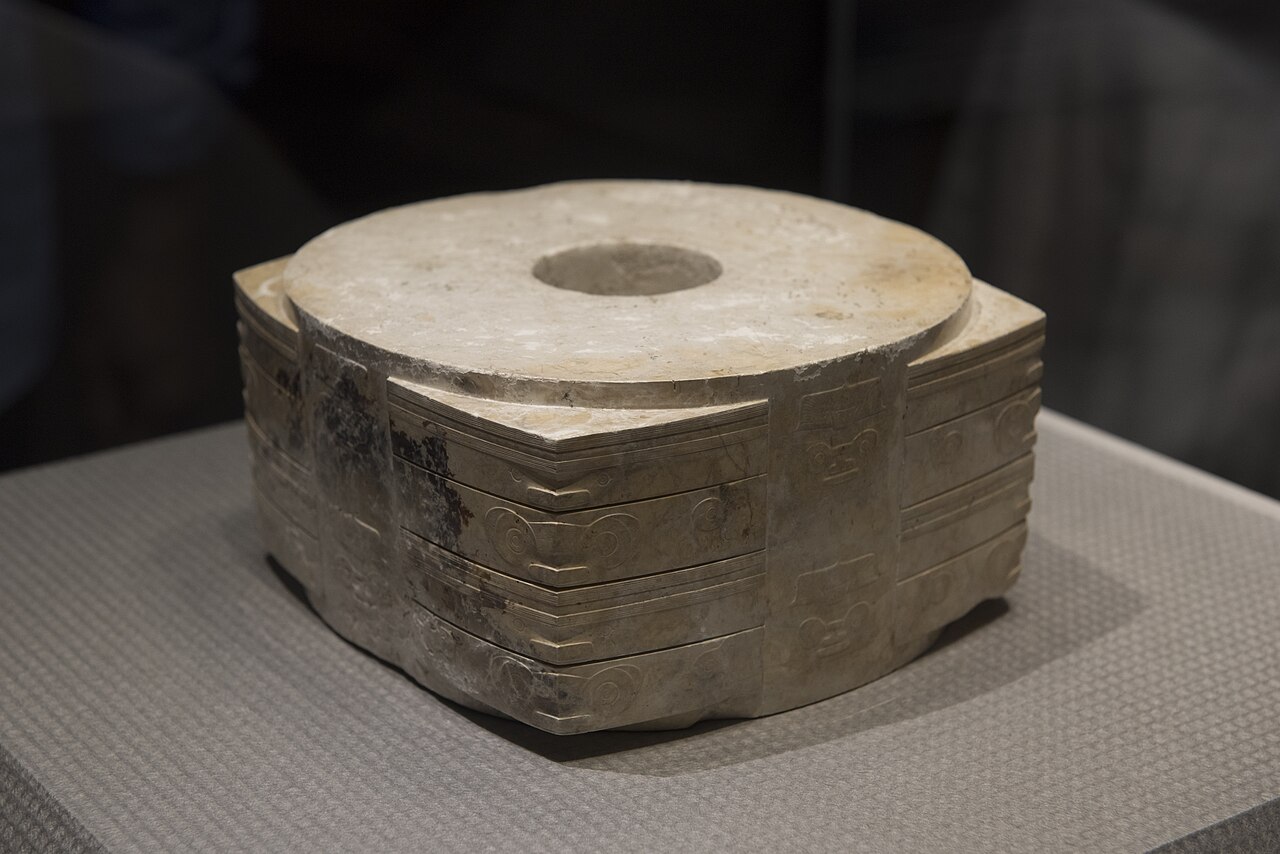
Around Lake Tai the Liangzhu civilisation built a liturgy of cong tubes, bi discs and yue axes; the "Cong King" weighs 6.5 kilograms, its man-and-beast emblem engraved finer than a hair. Liangzhu, now a World Heritage site, stands as proof of five thousand years of Chinese civilisation.
The Ritual Age: Six Implements & the Heshibi
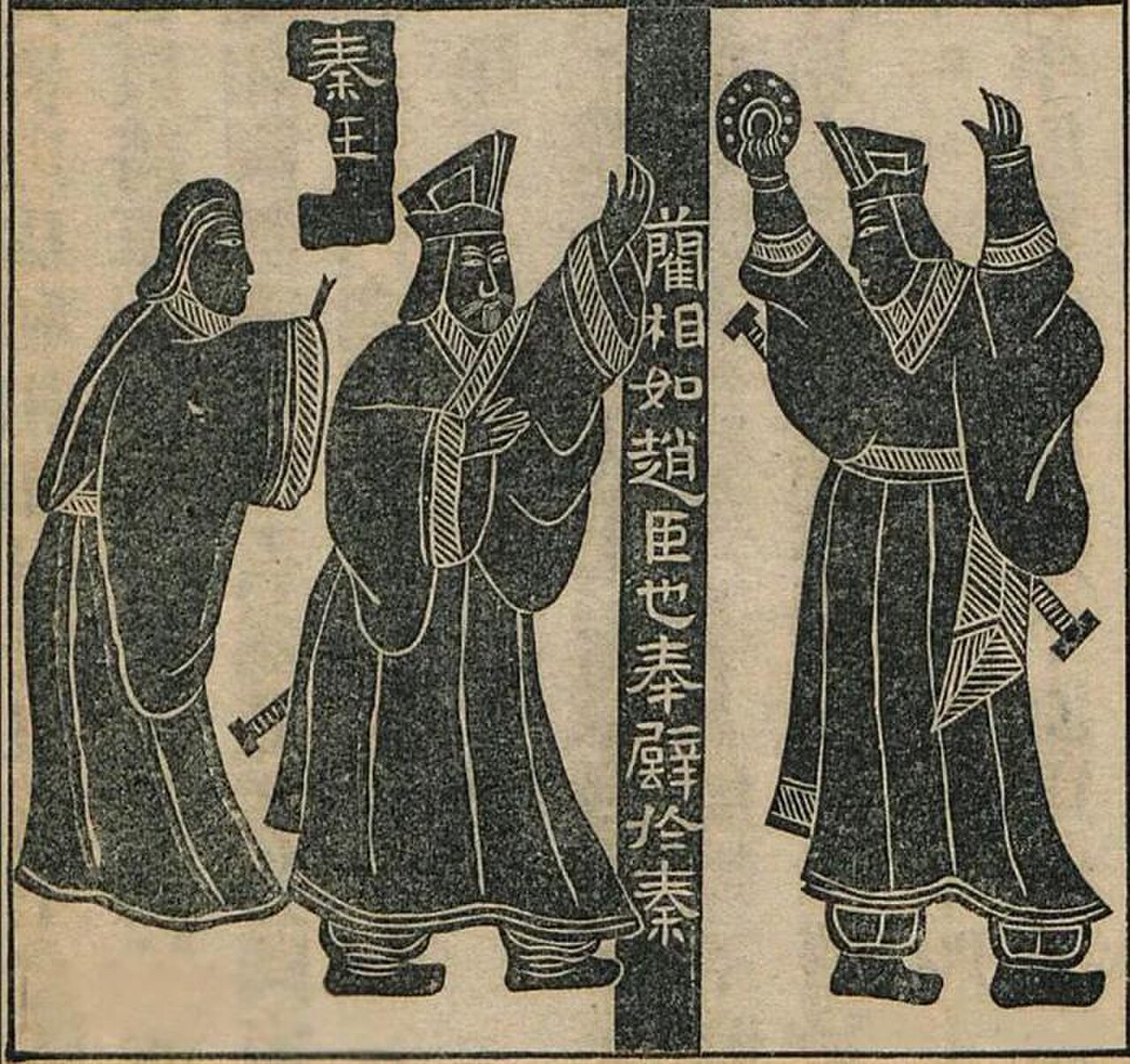
The Rites of Zhou decreed six jade implements "to honour Heaven, Earth and the four quarters", making jade the material charter of kingship. Fu Hao's tomb held 755 jades; by the Warring States the Heshibi disc was "worth a string of cities", and its safe return to Zhao became the proverb of statecraft itself. When Qin united the realm, tradition holds, that very stone was carved into the Heirloom Seal of the Realm, inscribed by Li Si — "Mandated by Heaven: long life and eternal glory" — token of the Mandate for a thousand years until it vanished after the Five Dynasties, leaving no true likeness; a tracing of its legend appears on this archive's front page.
Suits of Jade and Gold Wire
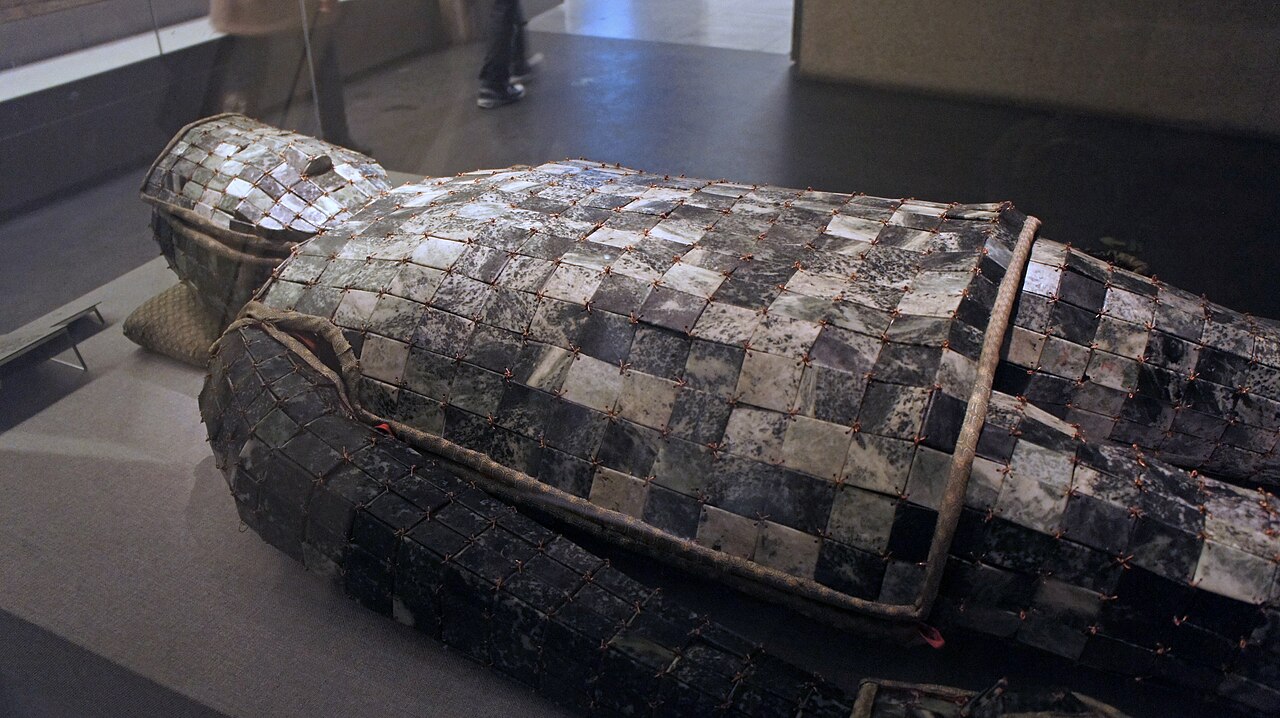
The Han believed jade preserved the body incorrupt, and funerary jade reached its zenith: the suit of Prince Liu Sheng at Mancheng joins 2,498 plaques with some 1,100 grams of gold thread. In life no less than death, "the gentleman, without due cause, does not part with his jade."
From Temple to Scholar's Desk
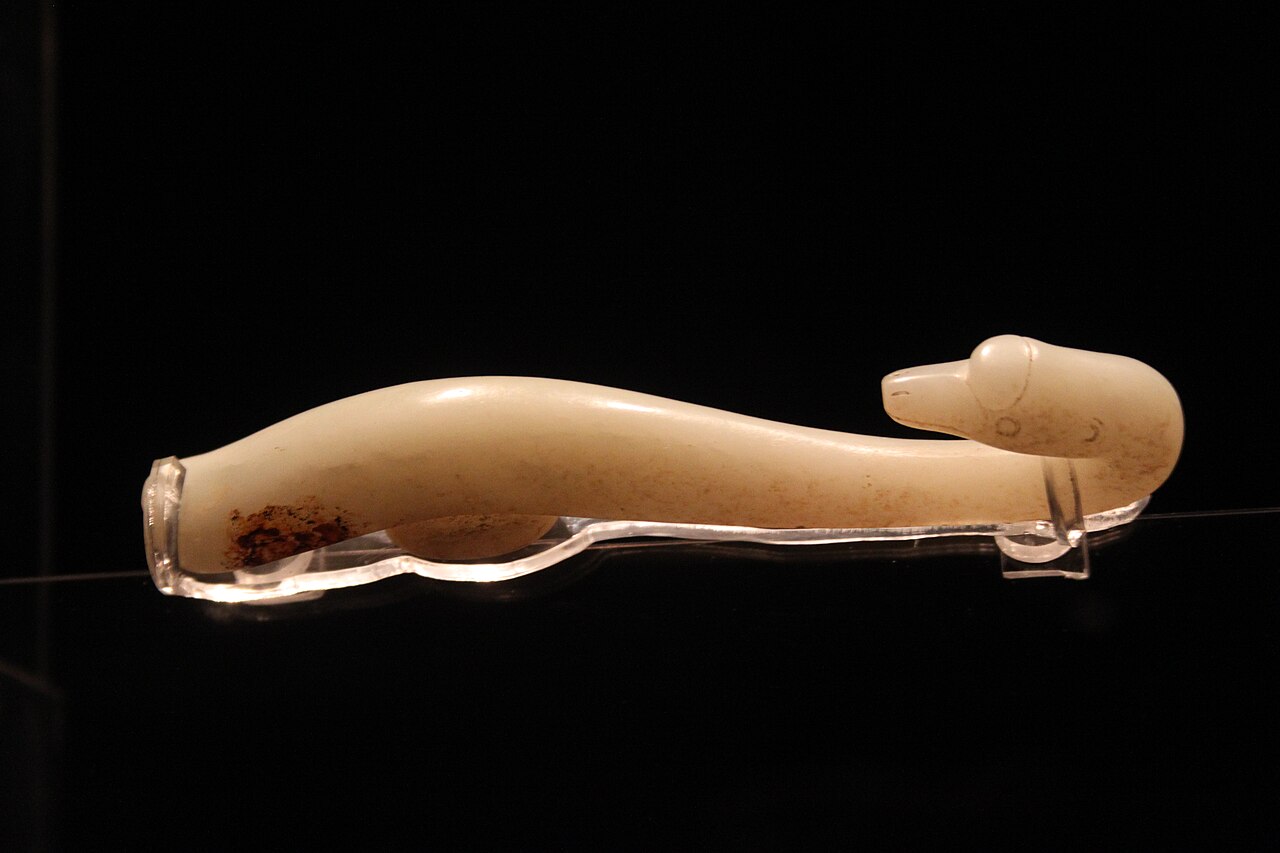
From Tang and Song onward jade descended from the altar: belt plaques ranked officials, censers and bird-and-flower carvings entered the studio, and jade joined the scholar's aesthetic life. In late Ming Suzhou, Lu Zigang's signed plaques fused lapidary art with calligraphy and painting — the first carver whose name passed down beside the literati's.
The Qianlong Workshop: Apex of the Craft
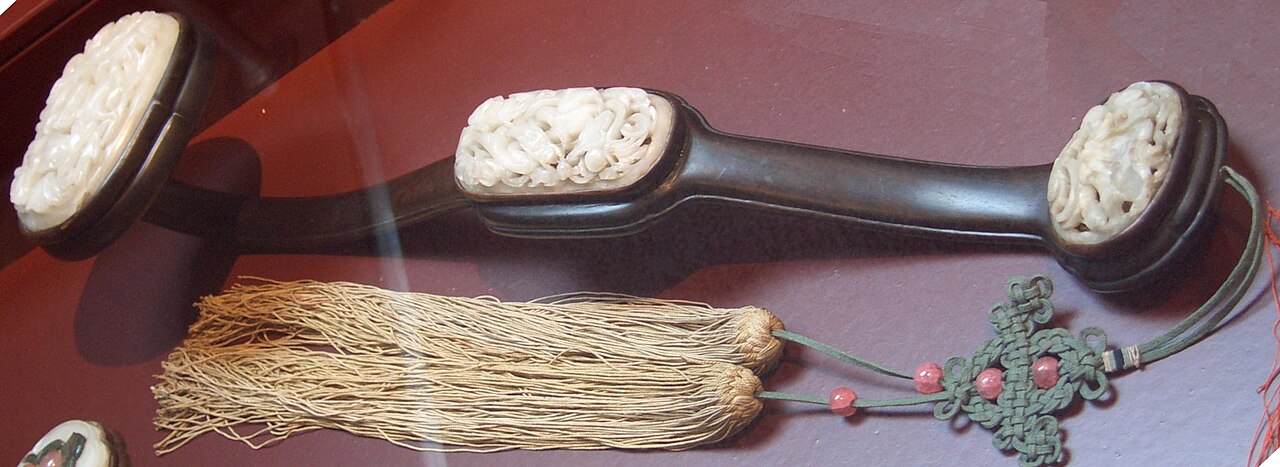
With the Hotan tribute road secured, the palace workshops attained a finish posterity calls "Qianlong work". The jade mountain "Yu the Great Taming the Waters" exceeds five tonnes and took a decade to carve; Hindustan-style vessels were ground "thin as paper", and the emperor inscribed poems upon them in his own hand.
Collections Scattered and Regathered
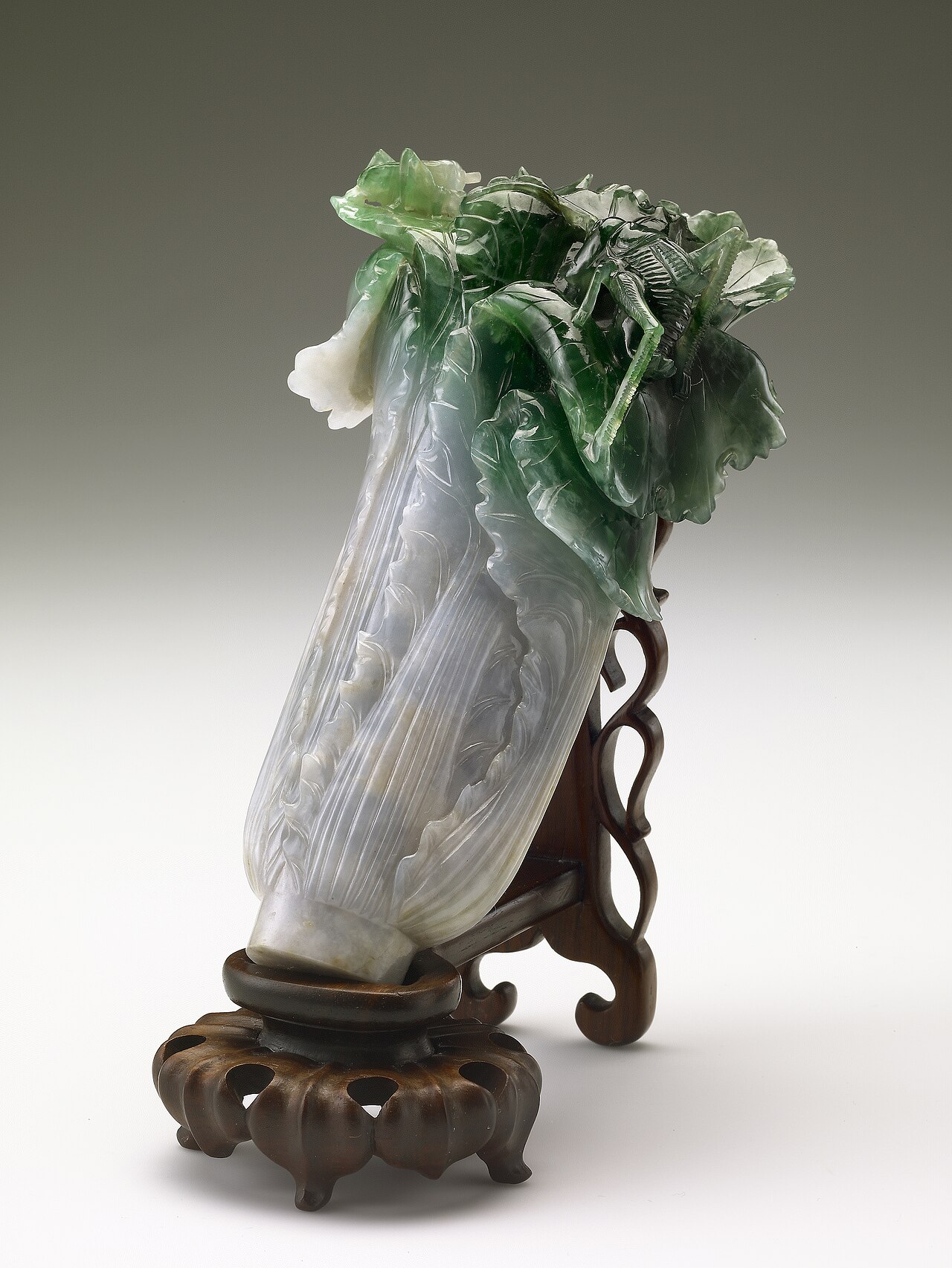
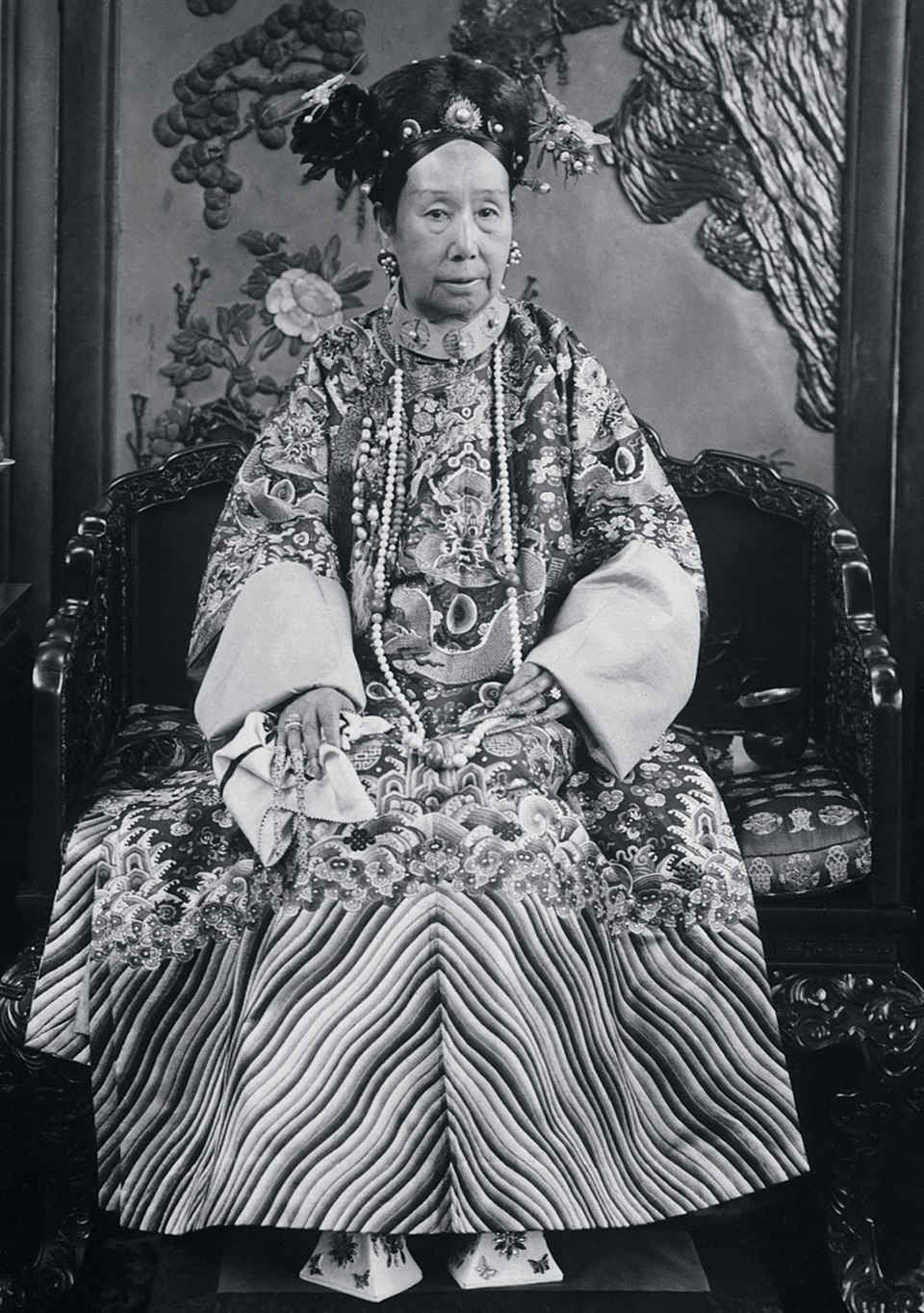
With the fall of the Qing the palace collections dispersed — into the market and into museums at home and abroad — and modern jade scholarship rose in their wake. Today national standards govern authentication, the auction room sets the price of circulation, and scientific archaeology keeps extending the record; jade carving is inscribed as national intangible heritage, and the eight-thousand-year vein runs as full as ever.